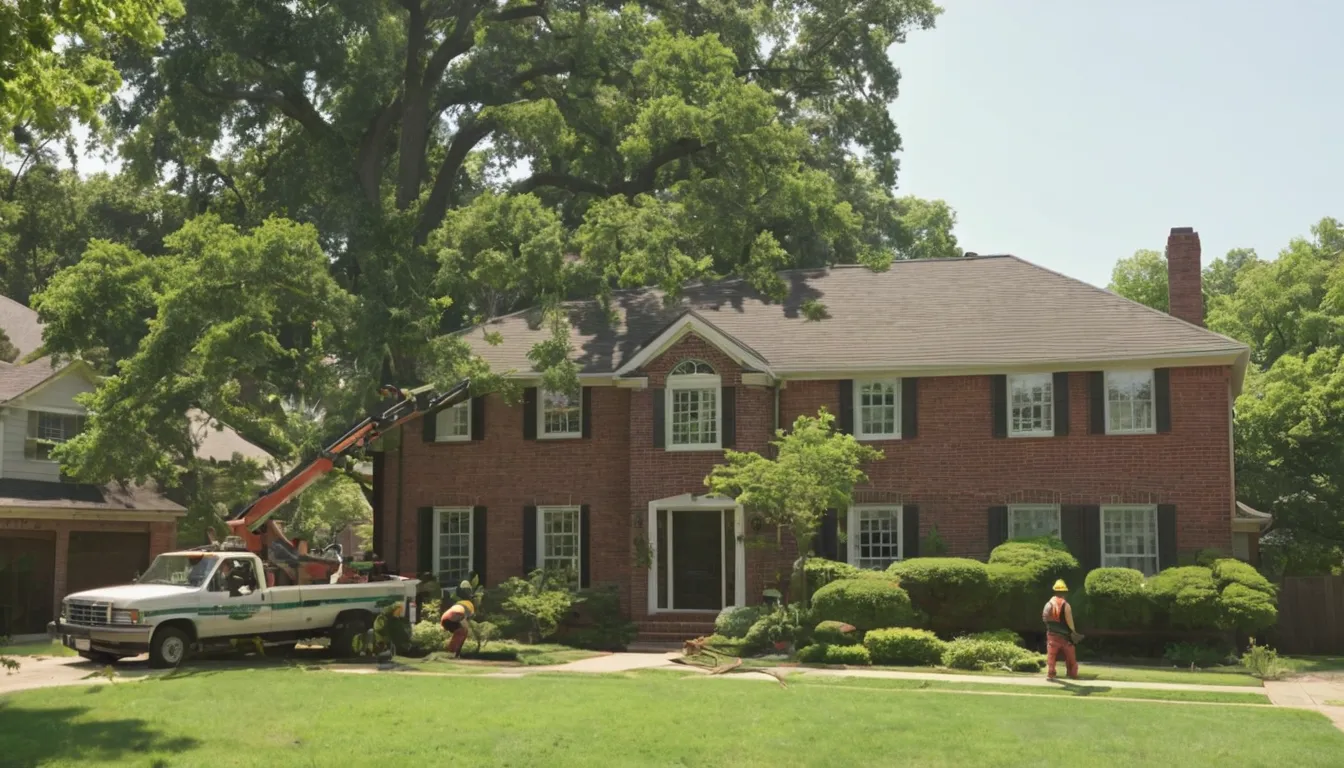
Tree Removal Help in Stonecrest
Request an estimate today
A tree that is dead, leaning, or storm-damaged is a risk to your house, your car, and your family. Alreadylooked Tree Service is a referral service. We do not cut, climb, or haul. We connect you with independent providers in the Stonecrest area who do.
This page tells you what to ask, what a solid answer sounds like, and which red flags mean walk away. It also covers cost ranges, permits, and where you can safely pitch in. Read it, then request an estimate. Ask. Then compare. Get it in writing. Providers do the work, and you stay in charge of the choice.
Tree down or leaning on something? Read this first
A tree is on your roof, fence, or car. Or it is leaning hard. Get everyone out of the area. Do not stand under it. Do not try to cut it yourself.
Wood under tension can snap or roll without warning. One wrong cut can drop the whole thing on you.
Stay far from power lines
If a limb touches a line, treat the whole tree as live. Keep back and report it to the utility. A provider can start only after the line is safe.
Never use a ladder, a pole, or water near a tangled line.
Emergency tree removal after a storm
Hot humid summers bring thunderstorms. Ice storms and leftover tropical systems show up now and then. Wet soil and heavy limbs bring trees down.
Emergency tree removal means a provider makes the tree safe so the damage stops growing. Many providers can respond quickly, but availability varies. Request a callback to check provider availability.
What storm tree clearance covers
Storm tree clearance is cleanup after the wind has passed. It can mean cutting a fallen trunk off a roof, clearing a driveway, or removing hanging limbs. Ask if the visit includes hauling or only cutting.
Tarps, photos, and your policy
Take photos before anything moves. Some policies may cover sudden damage, so check yours. Providers can often help document damage for a claim.
Not urgent? Good. You have time to compare
A dying oak or a tall pine near the house is a slower problem. Slower does not mean ignore it. Dead trees get brittle, and a summer storm can finish the job.
Why homeowners remove trees
- The tree is dead, split, or hollow.
- Roots are pushing on a slab, a crawl-space wall, or a drain line.
- Branches rub brick or vinyl siding.
- The tree is too close to a roof, older wiring, or a neighbor's yard.
- It blocks a build, a pool, or a driveway.
How tree removal works
A provider looks at the tree and the space around it. Then they pick a plan. A tree with open room can be cut at the base and felled. A tree over a house is taken down in pieces, often with ropes or a crane.
This is a tree falling service done in controlled steps. Crews haul or chip the debris unless the quote says otherwise.
DIY or pro?
You can help with small jobs. Clear the yard, move cars, and bag small twigs. A small sapling you can reach from the ground is fair game.
Leave the rest to pros. That means anything taller than you can safely reach, anything near wires, and anything over a roof. Chainsaws, rigging, and climbing gear take real training.
What changes the price
Height, trunk width, and access drive the cost. A tree in a tight backyard behind a fence costs more than one by the street. Dead or rotten wood adds risk. So do wires, a pool, or a roof underneath.
Get a written quote that lists each task. Compare scope, not just the total.
Permits and local rules
Some towns require a permit for large or protected trees. Others have rules for trees in a right-of-way or a historic area. Homeowner associations may add their own.
Ask the provider if a permit applies. Also check with your town or HOA before the work is booked.
Questions to ask every provider
What should a good answer sound like?
Ask about insurance, and ask them to show proof of it. A good provider answers plainly and offers it. Ask who will be on site and how they plan to take the tree down. Ask what happens if something is damaged.
Ask if cleanup and hauling are in the price. You want a clear yes or no.
Red flags
- Pressure to sign on the spot.
- A cash-only demand with no written quote.
- No proof of insurance.
- Climbing spikes used on a tree that is staying.
- A price that is far below the others with no explanation.
- Door knocking right after a storm.
Get it in writing. If the answer is vague, move on.
Get ready for removal day
Move cars out of the drive. Clear toys, furniture, and grills from the work area. Tell neighbors if limbs may cross a fence line. Keep kids and pets inside.
Mark sprinkler heads and buried lines if you can. Be home, or have a clear way to reach the provider.
After the tree comes down
Walk the yard with the provider. Check the roof, fence, and siding. Make sure the debris is gone as promised. Keep your paperwork.
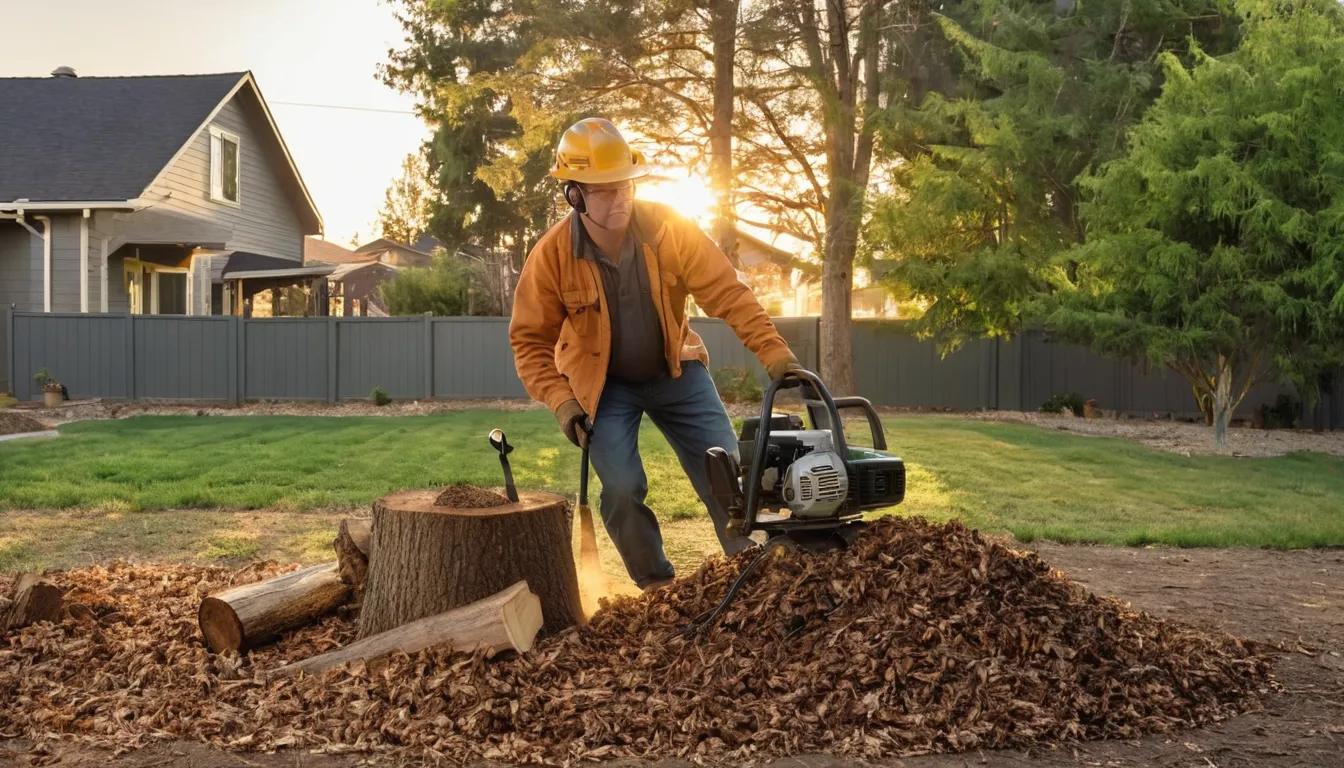
If the stump stays, ask about stump grinding. It is a separate job and can be booked with the same provider.
What's Included
Storm Damage Response
Providers can cut and clear fallen trees and hanging limbs after thunderstorms, ice, and leftover tropical systems.
Planned Removals
Dead, leaning, or poorly placed trees are taken down in a controlled plan, piece by piece.
Cleanup and Hauling
Many providers chip branches and haul logs. Ask whether it is in the written quote.
Stump Options
Ask if the stump stays or goes. Grinding is often quoted as a separate line item.
Typical Tree Removal Costs
Prices vary a lot by tree size, access, and risk. These are typical U.S. ranges only. Always get a written quote that lists exactly what is included before you agree to anything.
| Job | Typical range | Notes |
|---|---|---|
| Small tree (under 30 ft) | $150 – $500 | Easy access keeps the price down |
| Medium tree (30–60 ft) | $500 – $1,200 | Depends on trunk width and space |
| Large tree (over 60 ft) | $1,000 – $2,500+ | Often needs rigging or a crane |
| Storm or emergency job | $1,500 – $4,000+ | Tree on a roof or fence costs more |
| Stump grinding add-on | $100 – $500 | Priced by stump width |
| Haul-away and wood chipping | $75 – $400 | Ask if it is already in the quote |
How It Works
Send Your Details
Tell us the tree's location, size, and any damage. Photos help providers understand the job.
A Provider Reaches Out
A local provider contacts you to talk about the job and set a time to look.
Compare Written Quotes
Check scope, cleanup, insurance, and stump work. Ask questions until it is clear.
Choose and Schedule
Pick the provider you trust, confirm the date in writing, and prep the yard.
Why Call Alreadylooked Tree Service
Plain Answers
Learn the questions to ask and what a solid reply sounds like before you pick anyone.
Local Providers
Independent providers in your area handle the work, so you deal with people who know local trees.
Clear Comparison
Request an estimate, then compare scope and price side by side. No obligation to accept.
Safety First
We point you to pros for risky jobs and tell you where you can help.
Other Services
Need tree removal help in Stonecrest?
Tell us about your tree and request an estimate. A local provider reaches out to talk it through. You can also email contact@alreadylooked.garden.
No obligationTree Removal Help FAQ
- How much does it cost to remove a tree?
- Most jobs fall between a few hundred and a few thousand dollars in the U.S. Size, access, and risk change the price. Storm jobs and trees over a house cost more. Get a written quote.
- Do I need a permit to remove a tree?
- Sometimes. Some towns protect large or older trees, and HOAs may have rules. Ask the provider and check with your town or HOA before you book.
- Will my insurance pay for removing a fallen tree?
- Some policies may cover sudden damage, like a tree falling on a house. Coverage varies, so check your policy. Providers can often help document damage for a claim. Take photos first.
Tell us what happened
Tell us about your tree and request an estimate. A local provider reaches out to talk it through. You can also email contact@alreadylooked.garden.
No obligation